Add your promotional text...

Nature Education on the Trail: Teaching Kids Through Hiking
How to turn family hikes into fun, hands-on nature lessons that teach kids about wildlife, plants, and the environment.
1/11/20265 min read
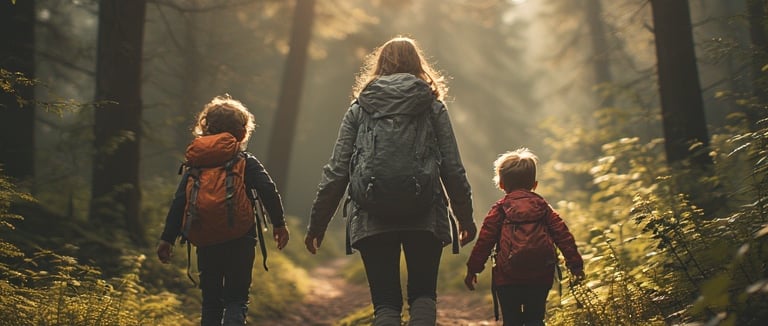
There’s something magical about watching kids learn outside. On the trail, curiosity comes naturally—every rock, bug, bird call, and bend in the path becomes a question waiting to be asked. As a hiker and parent, I’ve found that hiking is one of the most powerful (and fun) ways to teach kids about nature without it ever feeling like a lesson.
No worksheets. No screens. Just real-world discovery, one step at a time.
Why Hiking Is the Perfect Outdoor Classroom
When kids hike, they’re not just walking—they’re observing, questioning, problem-solving, and connecting. Nature education on the trail works so well because it’s hands-on and immersive.
Hiking helps kids:
Learn through experience, not memorization
Develop observation skills by noticing patterns, tracks, and changes
Build respect for nature by seeing ecosystems up close
Stay engaged longer than they would in a traditional learning setting
And the best part? They don’t even realize they’re learning.
Simple Nature Lessons You Can Teach While Hiking
You don’t need to be a biologist to teach kids on the trail. A little curiosity goes a long way.
Plant Identification
Point out different trees, leaves, and flowers along the trail. Ask questions like:
Why do you think these leaves are shaped this way?
Which plants grow in the shade vs. the sun?
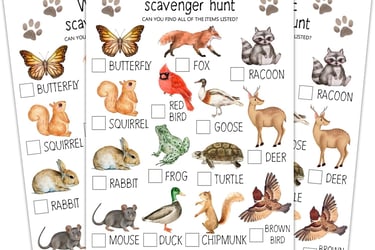
Tip: Bring a small nature guide or kid-friendly plant ID book to turn this into a scavenger hunt.
Animal Tracks & Wildlife Signs
Even if you don’t see animals, the trail tells their story.
Look for footprints, chewed leaves, feathers, or scat
Talk about which animals might be nocturnal
Compare tracks in mud, sand, or snow
This is a great place to introduce the idea of habitats and food chains.
Earth Science in Action
Hiking naturally introduces geology and weather.
Talk about erosion when crossing streams
Compare smooth rocks vs. jagged ones
Feel temperature changes in shaded areas
Kids love realizing the trail itself is constantly changing.
Turning a Hike Into a Learning Adventure (Without Killing the Fun)
The goal isn’t to lecture—it’s to explore together.
Let Kids Lead
Give kids a role:
“Trail Navigator”
“Nature Spotter”
“Question Keeper”
When kids feel in charge, they’re more invested.
Ask Open-Ended Questions
Instead of explaining everything, try:
“What do you think made that hole in the tree?”
“Why do you think this area has more bugs?”
You’ll be surprised by their answers.
Capture the Experience
After the hike:
Draw what they saw
Keep a simple nature journal
Talk about their favorite discovery
Learning sticks better when kids reflect on it.
Teaching Environmental Responsibility on the Trail
Hiking is also a chance to teach stewardship.
Introduce kids to Leave No Trace principles:
Stay on the trail
Pack out trash
Respect wildlife
Leave rocks, plants, and animals as you found them
When kids understand why these rules matter, they naturally become more mindful hikers.
Why These Trail Lessons Matter
Nature education through hiking builds more than knowledge—it builds connection. Kids who learn outdoors are more likely to:
Care about the environment
Feel confident exploring nature
Develop patience, resilience, and curiosity
Some of our best family conversations happen on the trail, far from distractions. Those moments—muddy shoes, endless questions, shared discoveries—are lessons kids carry with them long after the hike ends.
Final Thoughts: Every Trail Is a Classroom
You don’t need a long hike or a famous trail to teach kids through hiking. A local path, a nearby park, or even a short nature walk can spark curiosity and learning.
So next time you lace up your boots with kids in tow, remember: you’re not just going for a hike—you’re opening the door to a living, breathing classroom
Amazon-Friendly Gear That Makes Hiking Games Even More Fun
As a mom, I’ve learned that a few simple kid-friendly hiking essentials can make trail games easier, smoother, and way more exciting. These are lightweight, affordable, and family-tested items that pair perfectly with hiking games for kids.
Kid-Friendly Binoculars for Nature Exploration
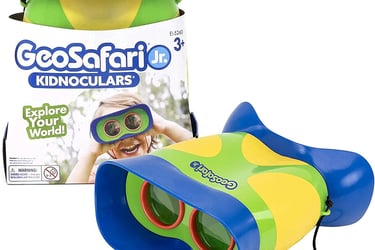
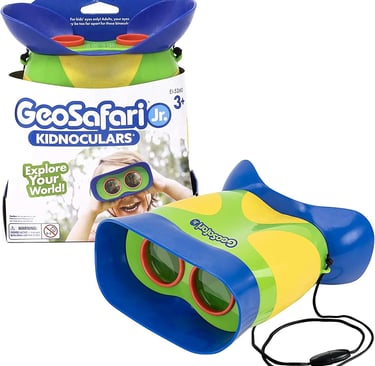
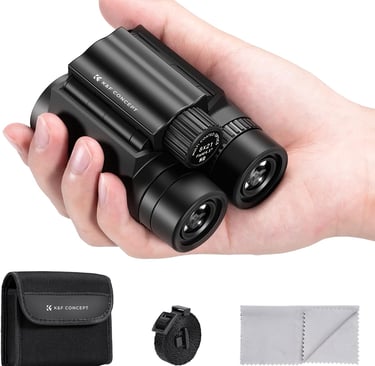
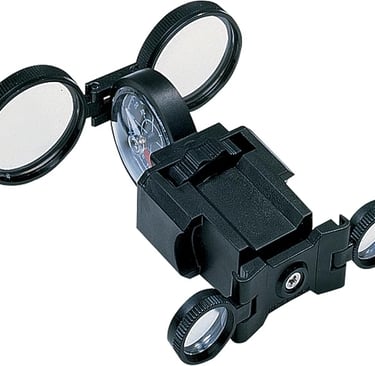
Binoculars turn every hike into a mini wildlife adventure. My kids love spotting birds, squirrels, and even distant trail markers—it keeps them moving forward and engaged.
Why binoculars are great for hiking games:
Encourage wildlife observation (without getting too close)
Perfect for animal explorer games
Lightweight and easy for small hands
Quick Tips for Choosing Kid Binoculars
For preschoolers: Go with focus-free or low-magnification models (like GeoSafari Jr.) so they don’t get frustrated trying to focus.
For school-age kids: Choose slightly higher magnification and real optics (like the K&F Concept or BeBison sets).
For group hikes: Bonus multipacks or explorer kits keep everyone excited and ready to participate in games.


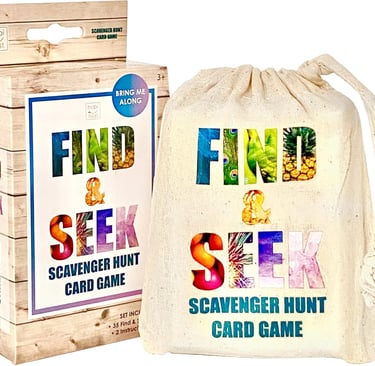
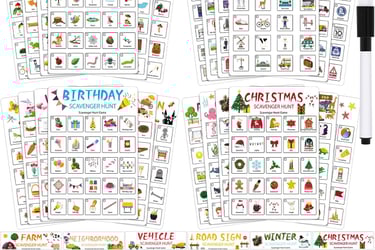
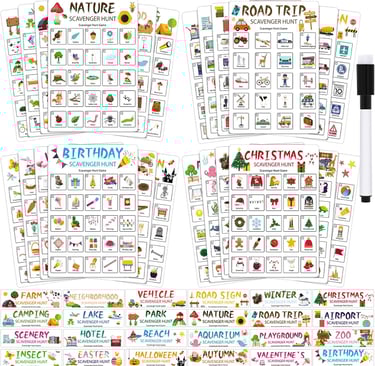
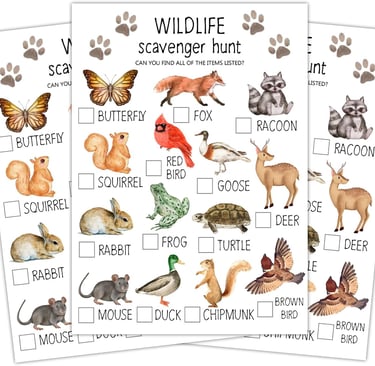
Nature Scavenger Hunt Cards (Zero Prep for Parents!)
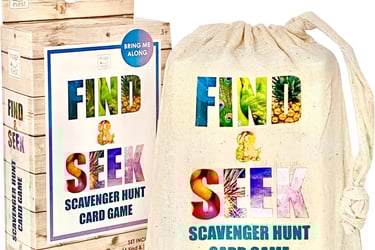
Printable scavenger hunts are great, but on busy days, ready-made nature scavenger hunt cards are a lifesaver.
We keep a small deck in our hiking bag and pull them out whenever boredom hits.
Why scavenger hunt cards work so well:
No planning required
Reusable for every hike
Great for toddlers through elementary-age kids
Choose laminated or waterproof cards for outdoor use.
Kid Hiking Backpacks (Let Them Carry Their Own Gear!)
Giving kids their own backpack is a game-changer. Suddenly, they feel responsible, proud, and excited to hike.
My kids carry:
Their scavenger hunt cards
Binoculars
Snacks and a small water bottle
What to look for in a kid hiking backpack:
Lightweight design
Adjustable chest straps
Breathable padding
Fun colors or patterns kids love
A properly fitted kids hiking backpack helps prevent fatigue and keeps little hikers motivated.
Top Kid Hiking Backpack Picks on Amazon
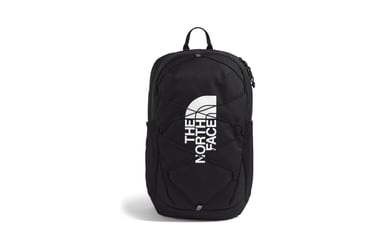
The North Face Youth Court Jester Backpack – ⭐️ Most Popular
Stylish outdoor daypack with ~24 L capacity — ideal for older kids on longer hikes.
Lightweight design with water-resistant fabric and built-in water bottle holder.
Great balance of comfort, storage, and durability for family trail days.
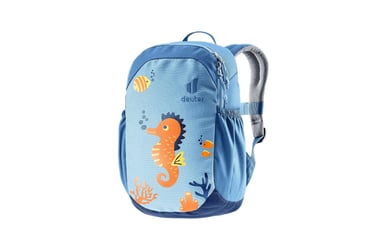
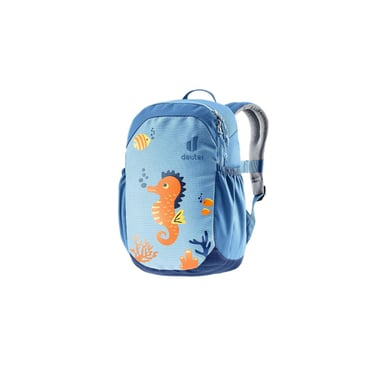
Deuter Pico Backpack (5 L) – Best for Little Adventurers
Compact and comfy choice for ages ~2 – 6.
Adjustable chest strap and padded back make it great for toddlers to carry snacks and finds.
Bright colors and kid-ready design make hikes more fun. Tales of a Mountain Mama
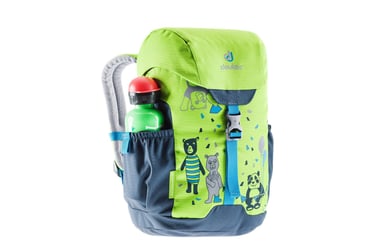
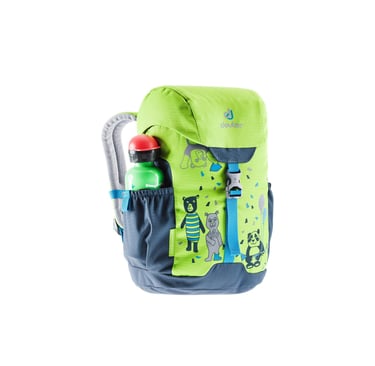
Deuter Schmusebar Backpack – Comfy Everyday Trail Pack
Classic kids hiking backpack with padded straps and ergonomic fit.
Elastic side pockets and reflective details are perfect for snack breaks and safety.
Excellent choice for preschoolers to early elementary hikers.
Affiliate Disclosure:
This post contains affiliate links. If you make a purchase through these links, we may earn a small commission at no extra cost to you. This helps support our content and allows us to continue providing free hiking guides for families.
FAQs: Teaching Kids Through Hiking
Is hiking educational for young children?
Yes! Even toddlers benefit from sensory exploration, observation, and movement outdoors.
What age should kids start nature journaling?
Most kids can start drawing observations around ages 4–5, with writing added as they grow.
How long should an educational hike be?
For younger kids, 1–2 miles is often ideal. Focus on discovery, not distance.
Receive email notifications of new posts, trail tips and updates straight to your inbox.
Contact us at:
Follow us at:
contactus@exploretrailways.com
© 2025. All rights reserved.