Add your promotional text...


Family Hiking Safety Tips: How to Keep Kids Safe on the Trail
Family hiking safety tips to help parents keep kids safe, comfortable, and confident on the trail.
6/17/20254 min read
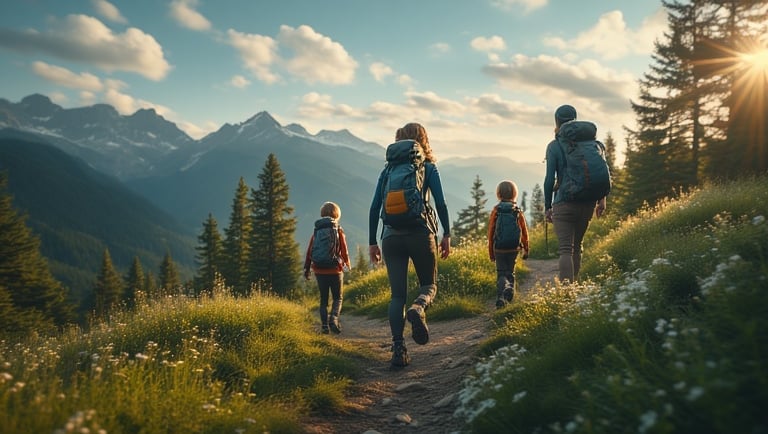
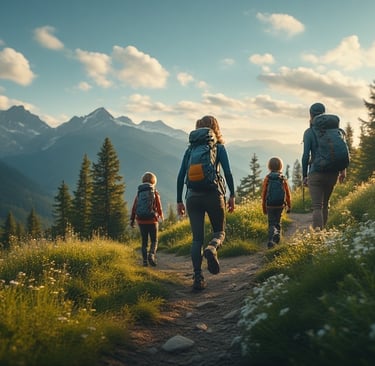
Hiking as a family is a wonderful way to explore nature, build confidence, and create lifelong memories. But when kids are involved, safety becomes the top priority. From choosing the right trail to preparing for unexpected situations, a little planning goes a long way.
In this guide, you’ll find practical family hiking safety tips to help keep kids safe, comfortable, and happy on the trail—whether you’re hiking with toddlers or older children.
1. Choose Kid-Friendly Hiking Trails
Not all trails are created equal, especially for families.
Look for trails that:
Are short and well-marked
Have minimal elevation gain
Offer shaded areas and rest spots
Include fun features like streams, wildlife, or scenic overlooks
Many parks label trails as family-friendly or easy, making them ideal for hiking with kids. Always check trail reviews before heading out.
2. Teach Basic Trail Safety Rules
Before you hit the trail, go over simple rules with your kids:
Stay on the trail at all times
Don’t run ahead or wander off
Always stay where you can see an adult
Never touch unfamiliar plants or animals
Turning safety rules into a quick “trail talk” helps kids understand expectations while making them feel involved.
3. Pack Essential Safety Gear for Kids
Having the right gear can prevent small issues from becoming big problems.
Family hiking essentials include:
Plenty of water and healthy snacks
Sunscreen and insect repellent
A basic first-aid kit
Weather-appropriate clothing
Hats and sturdy shoes
For younger kids, consider a small backpack so they can carry their own water—this builds responsibility and excitement.
4. Dress Kids for Comfort and Protection
Comfortable kids are safer kids.
Choose moisture-wicking clothing
Dress in layers for changing weather
Closed-toe shoes with good traction are a must
Bright colors help kids stay visible on the trail
Avoid cotton clothing, which can stay wet and cause discomfort.
5. Stay Hydrated and Take Frequent Breaks
Kids tire more quickly than adults, especially on warm days.
Offer water breaks often—even if kids say they’re not thirsty
Plan snack breaks every 30–45 minutes
Watch for signs of fatigue, overheating, or dehydration
Keeping energy levels up helps prevent accidents caused by exhaustion.
6. Teach Kids What to Do If They Get Lost
Even on easy trails, it’s important to prepare for the unexpected.
Teach kids to:
Stop moving if they can’t see the group
Stay in one place
Use a whistle if they have one
Look for a familiar landmark
Some families use ID bracelets or write a phone number inside the child’s shoe for extra peace of mind.
7. Watch the Weather and Trail Conditions
Check the forecast before your hike and keep an eye on changing conditions.
Avoid hiking during extreme heat or storms
Be cautious of slippery trails after rain
Turn back if conditions worsen
Knowing when to stop is one of the most important hiking safety skills for families.
8. Make Safety Fun and Engaging
When kids are engaged, they’re more aware of their surroundings.
Try:
Nature scavenger hunts
Spotting birds, bugs, or trail markers
Letting kids help navigate with a map
Making hiking fun encourages kids to stay focused and follow safety rules naturally.
Final Thoughts: Safe Trails Lead to Happy Family Adventures
Hiking with kids doesn’t have to be stressful. With thoughtful preparation, clear safety rules, and the right mindset, family hikes can be both safe and incredibly rewarding.
Start small, stay flexible, and remember—every trail is a chance to teach kids confidence, respect for nature, and a love for the outdoors.
Happy hiking!
Frequently Asked Questions About Family Hiking Safety
Is hiking safe for kids?
Yes, hiking is safe for kids when families choose age-appropriate trails, follow basic safety rules, and pack essential gear. Starting with short, easy trails helps children build confidence while staying safe.
What age can kids start hiking?
Kids can start hiking as soon as they can walk, with proper supervision. Toddlers do best on short, flat trails, while older children can gradually handle longer hikes as their endurance improves.
How long should a hike be for kids?
A good rule of thumb is one mile per year of age, up to a comfortable limit. For younger kids, hikes under two miles with frequent breaks work best.
What should kids wear hiking?
Kids should wear moisture-wicking clothing, sturdy closed-toe shoes, and weather-appropriate layers. Bright colors help with visibility, and hats offer extra sun protection.
What are the most important hiking safety rules for kids?
The most important rules are staying on the trail, staying within sight of an adult, not touching unknown plants or animals, and stopping if they get separated from the group.
How much water should kids bring hiking?
Kids should drink water every 20–30 minutes during a hike. Bring more water than you think you’ll need, especially in warm weather or on sunny trails.
How do you prevent kids from getting lost while hiking?
Prevent kids from getting lost by setting clear boundaries, using frequent headcounts, and teaching children to stop moving if they can’t see their group. Whistles and ID tags add extra safety.
What should parents do if a child gets tired on a hike?
If a child gets tired, take a break, offer water and snacks, and assess whether to turn back. Pushing too hard can increase the risk of accidents or injuries.
Are wildlife encounters dangerous for kids?
Most wildlife avoids people, but kids should be taught to observe animals from a distance. Never allow children to approach or feed wildlife, and always follow park guidelines.
What should families pack for hiking with kids?
Families should pack water, snacks, sunscreen, insect repellent, a first-aid kit, weather-appropriate clothing, and a fully charged phone for emergencies.
Receive email notifications of new posts, trail tips and updates straight to your inbox.
Contact us at:
Follow us at:
contactus@exploretrailways.com
© 2025. All rights reserved.