Add your promotional text...


Common Hiking Mistakes Beginners Make—and How to Avoid Them
Advice to make your outdoor escapes safe, fun, and unforgettable.
12/16/20254 min read
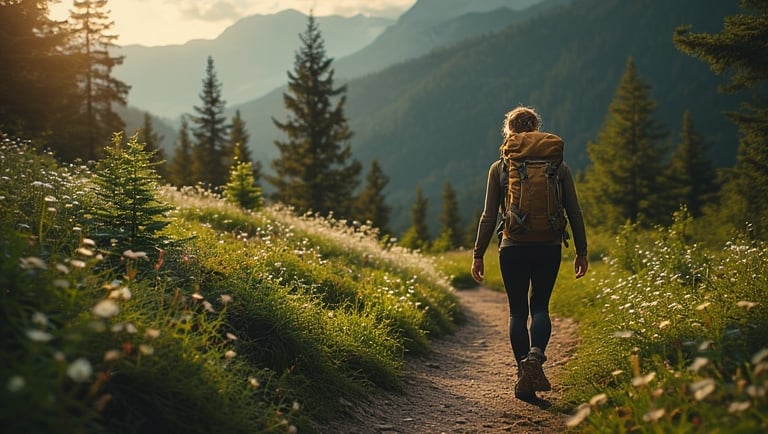
Starting your hiking journey is exciting, empowering, and incredibly rewarding—but beginners often make a few common mistakes that can turn a great day on the trail into a frustrating (or unsafe) experience. The good news? Most hiking mistakes are easy to avoid once you know what to look out for.
Whether you’re planning your first trail or getting back into hiking after a long break, this guide will walk you through the most common beginner hiking mistakes and exactly how to avoid them, so you can hike smarter, safer, and with more confidence.
1. Choosing a Trail That’s Too Difficult
One of the most common beginner hiking mistakes is overestimating your fitness level or underestimating the trail.
Why It’s a Problem
Steep elevation gain can cause early fatigue
Long distances increase the risk of injury or exhaustion
Difficult terrain can be intimidating and unsafe for beginners
How to Avoid It
Start with easy or moderate trails
Check trail length, elevation gain, and terrain before you go
Use trail apps or park websites for accurate difficulty ratings
Remember: it’s okay to turn around early
Tip: A 2–4 mile hike with minimal elevation is perfect for beginners.
2. Wearing the Wrong Footwear
Wearing improper shoes is a fast way to ruin a hike.
Why It’s a Problem
Poor traction increases slipping risk
Lack of support leads to sore feet and ankles
Blisters can end a hike early
How to Avoid It
Choose hiking shoes or boots with good grip
Break in new footwear before longer hikes
Wear moisture-wicking hiking socks, not cotton
You don’t need expensive boots—just shoes designed for trail conditions.
3. Not Bringing Enough Water
Dehydration is one of the most overlooked hiking mistakes for beginners.
Why It’s a Problem
Causes fatigue, dizziness, and headaches
Increases risk of heat exhaustion
Affects focus and balance on the trail
How to Avoid It
Bring at least 1 liter of water for every 2 hours of hiking
Carry more in hot or humid conditions
Sip regularly, even if you’re not thirsty
When in doubt, bring extra—it’s better to carry more than run out.
4. Skipping Snacks or Proper Nutrition
Many beginners think short hikes don’t require food—but your body still needs fuel.
Why It’s a Problem
Low energy levels
Sudden fatigue or weakness
Reduced enjoyment on the trail
How to Avoid It
Pack lightweight, easy-to-eat snacks like:
Trail mix
Granola bars
Nuts or dried fruit
Peanut butter packets
Eating small snacks during your hike helps maintain energy and stamina.
5. Ignoring the Weather Forecast
Weather can change quickly—especially on longer hikes or in mountainous areas.
Why It’s a Problem
Sudden rain or cold temperatures
Increased risk of heat exhaustion or hypothermia
Unsafe trail conditions
How to Avoid It
Always check the weather before hiking
Dress in layers
Bring a lightweight rain jacket
Avoid hiking during extreme heat or storms
If conditions look risky, reschedule—there will always be another day to hike.
6. Not Telling Anyone Your Hiking Plans
This is a safety mistake many beginners don’t think about.
Why It’s a Problem
If something goes wrong, no one knows where to look.
How to Avoid It
Tell a friend or family member:
Where you’re hiking
When you expect to return
Stick to well-marked trails
Carry a fully charged phone
For solo hikers, this step is especially important.
7. Overpacking—or Underpacking
Finding the right balance is key.
Why It’s a Problem
Overpacking causes fatigue and strain
Underpacking leaves you unprepared
How to Avoid It
Stick to the hiking essentials:
Water
Snacks
Navigation (map or app)
Sun protection
First-aid basics
Extra layer
As you gain experience, you’ll learn exactly what you need for different hikes.
8. Hiking Too Fast
Many beginners push themselves too hard early on.
Why It’s a Problem
Early exhaustion
Increased risk of injury
Less enjoyment of the scenery
How to Avoid It
Start slow and find a comfortable pace
Take breaks when needed
Focus on enjoying the journey, not rushing to the end
Hiking is about the experience, not speed.
9. Ignoring Trail Etiquette
Trail etiquette keeps everyone safe and happy.
Why It’s a Problem
Can cause conflicts with other hikers
Harms the environment
How to Avoid It
Yield to uphill hikers
Stay on marked trails
Pack out all trash
Keep noise levels low
Respecting the trail ensures it stays beautiful for everyone.
10. Setting Unrealistic Expectations
Not every hike is Instagram-perfect—and that’s okay.
Why It’s a Problem
Leads to frustration or disappointment
Can discourage new hikers from continuing
How to Avoid It
Accept that hiking has ups and downs
Celebrate small wins
Focus on progress, not perfection
Every hike builds confidence and experience.
Final Thoughts: Learn, Adjust, and Enjoy the Trail
Making mistakes is part of learning—but knowing what to avoid can make your hiking journey safer, more enjoyable, and far more rewarding. Start slow, prepare thoughtfully, and listen to your body.
The trail will always be there—your goal is to enjoy it and come back ready for the next adventure.
Frequently Asked Questions About Beginner Hiking Mistakes
What is the most common hiking mistake beginners make?
The most common hiking mistake beginners make is choosing a trail that is too difficult. Many new hikers underestimate elevation gain, distance, or terrain. Starting with shorter, well-marked trails helps build confidence and prevents exhaustion or injury.
How far should a beginner hike?
Most beginners should start with hikes between 2 to 4 miles on easy terrain with minimal elevation gain. As stamina and confidence improve, hikers can gradually increase distance and difficulty.
Do beginners need hiking boots?
Beginners don’t always need heavy hiking boots, but they should wear trail-appropriate footwear with good grip and support. Hiking shoes or trail runners are often comfortable and lightweight options for easy to moderate trails.
How much water should a beginner bring on a hike?
A good rule of thumb is to bring at least 1 liter of water for every 2 hours of hiking. In hot weather or on more strenuous trails, bring extra water to stay properly hydrated.
Is it safe to hike alone as a beginner?
Yes, beginners can hike alone, but safety precautions are essential. Stick to popular, well-marked trails, tell someone your hiking plans, carry a charged phone, and start with shorter hikes before attempting longer solo adventures.
What should beginners pack for a hike?
Beginner hikers should pack:
Water
Snacks
Proper footwear
Sun protection
Navigation (map or trail app)
Basic first-aid supplies
Extra clothing layers
These essentials help ensure a safe and comfortable hike.
What should I do if I get tired during a hike?
If you feel tired, slow your pace, take short breaks, hydrate, and eat a snack. There’s no shame in turning around early—listening to your body is an important part of safe hiking.
How can beginners avoid getting lost on the trail?
Beginners can avoid getting lost by staying on marked trails, downloading offline trail maps, paying attention to trail signs, and avoiding unfamiliar shortcuts. Starting with well-maintained trails in parks or nature reserves is ideal.
What weather is best for beginner hikers?
Mild, dry weather is best for beginners. Avoid extreme heat, heavy rain, or storms. Always check the weather forecast before hiking and dress in layers to adapt to changing conditions.
How long does it take to build hiking confidence?
Most beginners start feeling more confident after a few consistent hikes. Each hike builds endurance, navigation skills, and trail awareness. Progress happens naturally with experience and preparation.
Receive email notifications of new posts, trail tips and updates straight to your inbox.
Contact us at:
Follow us at:
contactus@exploretrailways.com
© 2025. All rights reserved.