Add your promotional text...


Affordable Gear for New Hikers: What’s Worth Buying vs. Skipping
Discover the best budget-friendly hiking gear for beginners and learn what’s truly worth investing in versus what you can skip.
3/11/20244 min read
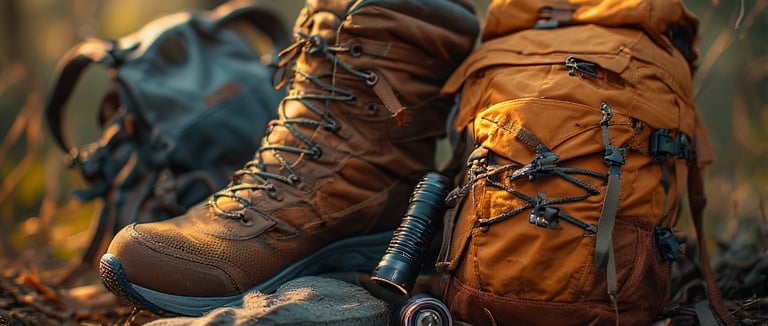

Hit the Trail Without Breaking the Bank: Affordable Gear for New Hikers
The call of the wild is a powerful thing, isn't it? The rustle of leaves underfoot, the crisp scent of pine, the panoramic views that take your breath away... Hiking is an incredible way to connect with nature, clear your mind, and challenge your body. But if you're new to the trails, the sheer volume of gear recommendations out there can feel overwhelming – and expensive!
Fear not, fellow adventurer! You absolutely do not need to mortgage your house to enjoy the great outdoors. With a little savvy and a focus on essentials, you can hit the trails comfortably and safely, even on a tight budget. This guide will help you decipher what's truly worth investing in (even if it's affordable!) versus what you can happily skip, borrow, or find around the house as you embark on your hiking journey.
Your Foundation: Footwear
If there's one area to prioritize a good investment, it's what goes on your feet. Happy feet mean a happy hiker!
Worth Buying (New or Quality Used): Proper Hiking Shoes or Boots. You don't need top-of-the-line GORE-TEX behemoths for every trail, but comfortable, supportive footwear designed for varied terrain is crucial.
Look for sturdy athletic shoes with good tread, trail runners, or light hiking shoes. They should fit well, have decent arch support, and provide grip on uneven surfaces.
Budget Tip: Shop sales, look for last season's models, or check reputable outdoor consignment stores. Brands like Merrell, Keen, or Columbia often have entry-level options that are excellent value.
Worth Buying (Affordable): Good Hiking Socks. Avoid cotton! It retains moisture and leads to blisters. Invest in a couple of pairs of wool or synthetic hiking socks. They wick moisture, prevent chafing, and make a huge difference in comfort.
Skipping/Borrowing: While you could try using regular athletic sneakers for very flat, well-maintained paths, it's not recommended for anything more challenging. Poor footwear is a fast track to blisters, twisted ankles, and a miserable hike. Don't skip this one!
Layer Up: Clothing Choices
The secret to comfort on the trail is layering, allowing you to adapt to changing weather conditions. And guess what? Much of this you might already own!
Worth Buying (Affordable): Moisture-Wicking Base Layer. This is the shirt closest to your skin. Say NO to cotton ("cotton kills" on the trail because it stays wet and makes you cold). Opt for polyester, merino wool, or a synthetic blend. You can often find athletic shirts cheaply at discount stores or even in your existing workout wardrobe.
Worth Buying (Affordable): A Simple Rain/Wind Shell. You don't need a fancy expensive jacket. A basic lightweight, waterproof (or at least highly water-resistant) and windproof jacket is a lifesaver when the weather turns. Look for simple rain jackets from store brands or during sales.
Worth Buying (Affordable): Comfortable Bottoms. Hiking pants, leggings, or athletic shorts that allow a full range of motion are key. Again, avoid jeans, which are heavy, chafe when wet, and restrict movement. Many athletic leggings or joggers you already own will work perfectly.
Skipping/Borrowing:
Expensive Technical Mid-Layers. For your insulating layer, a fleece jacket or even a good sweatshirt you already own will likely suffice for most moderate day hikes.
Brand-new "Hiking Specific" Pants. Unless you're tackling extreme conditions, comfortable athletic wear you already possess is perfectly fine.
Carry Your Essentials: The Daypack
You'll need a way to carry water, snacks, extra layers, and safety items. This doesn't require a professional-grade backpacking pack!
Worth Buying (Affordable): A Basic Daypack (15-30 Liters). Look for something comfortable that fits your back, ideally with a sternum strap and a simple hip belt (even just webbing can help distribute weight). It should have enough room for your water, snacks, an extra layer, and a small first-aid kit.
Budget Tip: Simple designs often mean lower costs. Check store brands or look for sales on popular brands like Osprey, Deuter, or Gregory which often have entry-level daypacks.
Skipping/Borrowing:
Large Backpacking Packs. For day hikes, these are overkill and unnecessarily heavy.
Your Old School Backpack. While it might work for very short, light strolls, school backpacks often lack proper support and can become uncomfortable quickly on longer hikes. However, if that's all you have for your first short trip, make it work!
Safety & Navigation: Peace of Mind
These items are non-negotiable for safety, and thankfully, most are very inexpensive!
Worth Buying (Essential & Cheap): Map & Compass. Always carry a physical map of your trail area (often free at visitor centers or trailheads) and a basic compass. Learn how to use them!
Worth Buying (Essential & Cheap): Small First-Aid Kit. You can buy pre-made mini kits or easily assemble one yourself with bandages, antiseptic wipes, pain relievers, and any personal medications.
Worth Buying (Essential & Cheap): Headlamp or Flashlight. Even if you plan to be back before dark, emergencies happen. A simple LED headlamp is invaluable and can be found for under $15.
Worth Buying (Essential & Cheap): Whistle. A small plastic whistle can be used to signal for help.
Skipping/Borrowing:
Expensive GPS Devices. While useful, a smartphone with downloaded offline maps (e.g., AllTrails, Gaia GPS) can serve as a great backup, but never rely solely on your phone.
Hydration & Fuel: Powering Your Adventure
Staying hydrated and energized is fundamental to a good hiking experience.
Worth Buying (Essential & Very Cheap): Reusable Water Bottles or Hydration Bladder. Use water bottles you already own, or invest in an affordable hydration bladder (2-3 liters) that fits in your pack. They make sipping water on the go much easier.
Worth Buying (Essential & Very Cheap): Snacks. Granola bars, nuts, fruit, sandwiches – bring whatever provides you with energy and that you enjoy!
Skipping/Borrowing:
Fancy Water Filters or Purifiers. For day hikes where you're carrying all your water, these aren't necessary. Save them for longer backpacking trips.
The Trail Awaits!
Remember, the most important gear is your enthusiasm and respect for nature. Don't let the perceived cost of entry hold you back from discovering the incredible joy of hiking. Start with the essentials, use what you have, borrow when you can, and upgrade slowly as your passion grows and your budget allows.
Now, go forth, explore, and fall in love with the trails – you've got this!
For more information on hiking gear see our other posts:
1 - Best Titanium Water Bottles for Ultralight Hiking
2 - What to Look for When Purchasing a Good Pair of Hiking Boots (For Men & Women)
Receive email notifications of new posts, trail tips and updates straight to your inbox.
Contact us at:
Follow us at:
contactus@exploretrailways.com
© 2025. All rights reserved.