Add your promotional text...

A Hiker’s Guide to Backpacks, Buying Tips & Best Picks on Amazon
This guide covers different types of hiking backpacks, what to look for based on skill level, and top-rated backpack recommendations available on Amazon
11/9/20253 min read
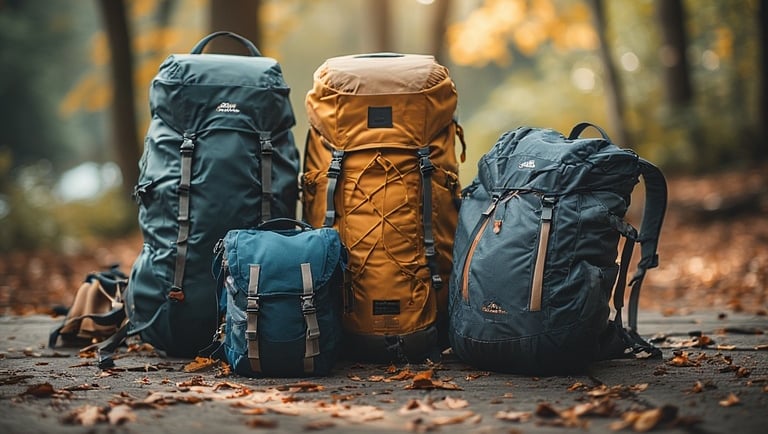
There’s nothing quite like the rhythm of trail underfoot, birdsong in your ears, and the satisfying thump of your feet greeting earth at every step. But before you hit the trail, good gear starts on your back — quite literally. Let’s talk about backpacks.
Backpack Types: What’s Out There?
Whether you’re heading out for a few hours or a few days, the type of backpack you pick makes all the difference.
Daypacks (10–30 L): For short hikes, lunch hikes, or single-day adventures. Lightweight, simple, and easy to carry. REI
Weekend / Overnight Packs (30–50 L): Big enough for a sleeping bag, food, layers, and water for 1–3 nights. REI
Backpacking Packs (50–75 L+): Designed for multiday, through-hikes, and carrying camp gear — these have more organization, support, and volume. The Big Outside
Ultralight Packs: Minimalist packs with stripped-down features — ideal if you’re cutting weight to go fast and far.
What to Look for When Buying a Hiking Backpack
Here’s what seasoned hikers obsess over — and with good reason:
Fit & Comfort
A pack should move with you, not against you. Adjustable torso lengths, a good suspension system, and a well-fitted hip belt help shift weight onto your hips so your shoulders don’t scream by mile three. REI
Capacity (Size in Liters)
Day hikes: <30 L
Weekend: 30–50 L
Overnight / Thru-hike: 50–75 L+
Estimate what you usually carry — extra clothes, food, sleeping gear — and match capacity accordingly.
Key Features
Hip belt & sternum strap: weight distribution and stability. Fresh Air Outdoor Club
Load lifters & compression straps: shift weight closer to your center of gravity. Fresh Air Outdoor Club
Hydration reservoir compatibility (great for long summer hikes).
External pockets/mesh side pockets for water bottles and quick access. Mountaintrails
Rain cover or water-resistant fabric for wet weather.
How to Load Your Backpack Like a Pro
Loading your pack strategically makes long days feel easier:
Heavy items close to your back: Sleeping bag at the bottom, then heavy gear like food and cooking gear centered near your spine.
Medium load next: Clothing, shelter, and layers in the mid section.
Light & quick access: Rain jacket, snacks, camera in the top or outer pockets.
Balance is everything: Stuff pockets evenly and use compression straps so weight doesn’t dangle behind you.
Stuff it poorly and you’ll feel it in your shoulders and hips fast — do it right, and miles feel easier.
Top 5 Backpacks for Experienced Hikers
Here are great choices for multiday hikes and serious trekking, all solid performers with features experienced hikers value:
Gregory Baltoro 75 – Excellent suspension and ventilation for heavy loads on extended trips.
Gregory Baltoro 65 – Slightly smaller but still great for multi-day treks with smart organization.
Deuter Trail 30 Backpack – Great all-around pack with comfort and excellent back support.
Fjallraven Abisko Hike 35 – Durable and versatile for long day hikes and lighter backcountry trips.
TETON Sports Hiker 3700 Backpack – Budget-friendly but rugged and spacious for serious hikers just building their gear closet.
Experienced hiker tips: choose packs with excellent suspension, capacity you can grow into, and features like hydration compatibility and multiple pockets.
Top 5 Backpacks for Beginners
For your first season on the trail, you want comfort, simplicity, and something friendly for short hikes:
The North Face Recon Backpack – A rugged, user-friendly pack with great suspension for all-day comfort.
Osprey Talon 22 – Fantastic daypack with airflow back panel and hip belt.
Osprey Sportlite 25 Backpack – Lightweight but supportive for day hikes or overnights.
Mountain Hardwear Scrambler 25 Backpack – Durable, weather-resistant beginner choice.
TETON Scout 45L Backpack – 45 L of space for those wanting to go overnight without over-complicating gear.
Beginner hiker tips: look for comfort first — padded straps, breathable back panels, and enough capacity to fit extra layers, snacks, and water without overpacking.
Final Words
A good backpack isn’t just a container — it’s a partner on the trail. Put the time into choosing one that fits your body and your goals, and your hikes will feel smoother, lighter, and a whole lot more joyful. Got specific hikes in mind (like alpine terrain vs forest vs desert)? Tell me your trail plans and I can help fine-tune the perfect pack!
Receive email notifications of new posts, trail tips and updates straight to your inbox.
Contact us at:
Follow us at:
contactus@exploretrailways.com
© 2025. All rights reserved.