Add your promotional text...

5 Must-Do Hiking Trails in the U.S. (Plus the Gear You’ll Need for Each)
5 must-do hiking trails across the United States, sharing what each trail is like, who it’s best for, and what you can expect to see along the way.
1/14/202613 min read
1. Angels Landing – Zion National Park, Utah
Difficulty: Strenuous | Best for: Experienced hikers | Length: ~5.4 miles round trip
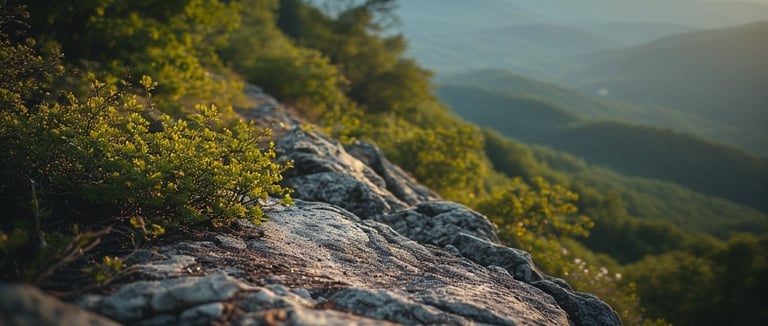
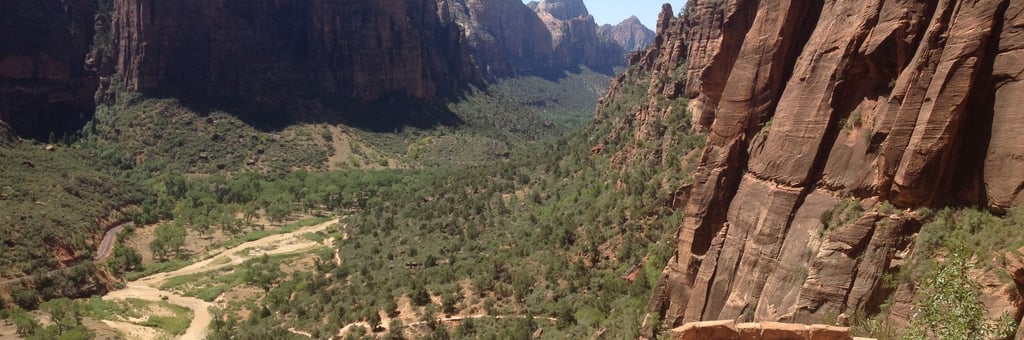
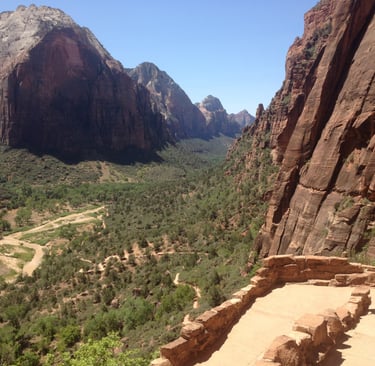
One of the most famous and photographed trails in the United States, Angels Landing in Zion National Park is a bucket-list adventure that blends steep switchbacks with a pulse-pounding finish along a narrow sandstone ridge.
If you are planning to tackle this iconic 5.4-mile trek in 2026, here is everything you need to know to summit safely.
The Permit System: Your Ticket to the Top
As of 2026, Zion National Park requires a permit 365 days a year to hike the final half-mile "chain section" of Angels Landing. This system was designed to reduce crowding and improve safety on the narrowest parts of the trail.
Seasonal Lottery: Apply months in advance (e.g., in January for spring hikes).
Day-Before Lottery: If you missed the seasonal window, you can apply between 12:01 AM and 3:00 PM MT the day before your hike.
Cost: It is a non-refundable $6 application fee for a group of up to 6 people, plus a $3 per person permit fee if you win.
The Trail Breakdown: A 5-Part Journey
The hike is strenuous and rises nearly 1,500 feet in elevation. It can be broken down into five distinct sections:
West Rim Trail: A paved, steady incline along the canyon wall.
Refrigerator Canyon: A beautifully shaded and cool section that offers a brief break from the Utah sun.
Walter’s Wiggles: A series of 21 steep switchbacks that gain elevation rapidly. This is where your legs will truly start to feel the burn!
Scout Lookout: The "decision point." This is where the paved trail ends and rangers check for permits. If you don't have a permit or are nervous about heights, this is your turnaround spot.
The Spine (The Chains): The final half-mile. You’ll navigate a razor-thin ridge with 1,000-foot drops on either side, using heavy metal chains bolted into the rock for support.
What to Pack for Angels Landing
Because this hike is so strenuous and exposed, your gear can make or break your experience.
Footwear & Clothing
Hiking Boots with Traction: Don't wear sneakers. You need a deep tread to grip the sandstone, especially if there is any dust or moisture.
Grippy Gloves: Many hikers recommend gardening or work gloves to protect your hands while gripping the metal chains, which can get very hot or cold.
Sun Protection: Most of the trail is completely exposed. Wear a hat, polarized sunglasses, and high-SPF sunscreen.
Hydration & Safety
At Least 3 Liters of Water: There is no water on the trail. A hydration bladder is better than a bottle so you can keep both hands free for the chains.
Electrolytes: Salty snacks or electrolyte powders are essential to prevent cramping in the desert heat.
Satellite Messenger: While cell service is spotty, a Garmin inReach Mini 2 is a great backup for emergencies.
Quick Sanity Tips for the Summit
Start Early: Aim for the first shuttle of the morning (usually 6:00 AM or 7:00 AM) to beat the midday heat.
Three Points of Contact: On the chains, always have at least one hand and two feet (or two hands and one foot) securely on the rock or chain.
Be Patient: The chain section is two-way traffic. Yield to uphill hikers and wait in wider sections to let others pass.
Best Hiking Shoes for Rugged Terrain
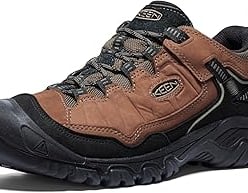
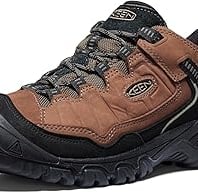
KEEN Men's Targhee 4 Waterproof Hiking
Best all-around hiking boot
WATERPROOF: KEEN.DRY waterproof breathable membrane keeps your feet dry and comfortable all day long by allowing vapor out without letting water in. CONSTRUCTION: Direct-attach construction provides long-lasting cushioning and reduces the chance of footwear separating over time, because the best hiking shoe is the one you keep wearing. TRACTION: KEEN.ALL-TERRAIN rubber outsole provides elevated
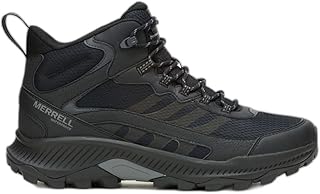
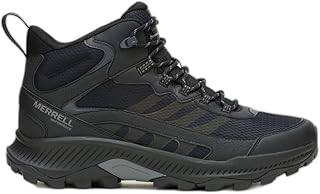
Merrell Speed Strike 2 Mid Waterproof
Best for Mid-range waterproof shoe
Waterproof membrane seals out water and lets moisture escape. Waterproof synthetic leather and mesh upper. Protective and abrasion resistant synthetic heel and toe cap. Lightweight EVA foam midsole for stability and comfort. Merrell sticky rubber outsole with durable traction that grips when and where you need it
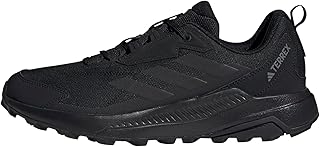
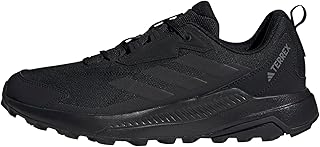
Adidas Terrex Anylander Hiking Shoes
Best for Budget-friendly choice
Men's lightweight hiking shoes made in part with a blend of recycled and renewable materials. REINFORCED UPPER: Soft textile upper is stretchy and comfortable, with a reinforced toe cap for durability. TRAXION OUTSOLE: Traxion outsole maximizes grip in all directions with lugs designed for rugged terrain
If you’re planning to hike some of the best trails in the United States, having the right gear matters just as much as picking the right trail. After years on the trail (and a few hard lessons learned the sweaty way), I’ve paired iconic U.S. hikes with the exact gear I trust to stay safe, comfortable, and prepared.
Whether you’re a beginner hiker or chasing bucket-list adventures, this guide covers where to go and what to pack.
Affiliate Disclosure: This post contains affiliate links. If you purchase through these links, I may earn a small commission at no extra cost to you. It helps support this site and keeps trail-tested guides like this coming.
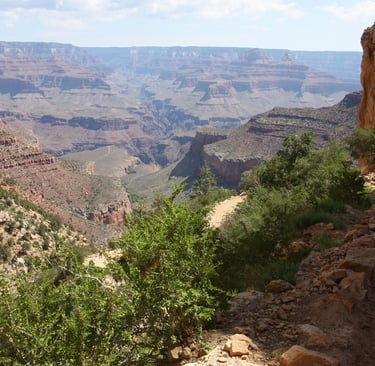
2. Bright Angel Trail – Grand Canyon National Park, Arizona
Difficulty: Moderate to strenuous | Beginner-friendly (with prep)
This trail teaches you fast that downhill is optional — uphill is mandatory.
What you’ll see:
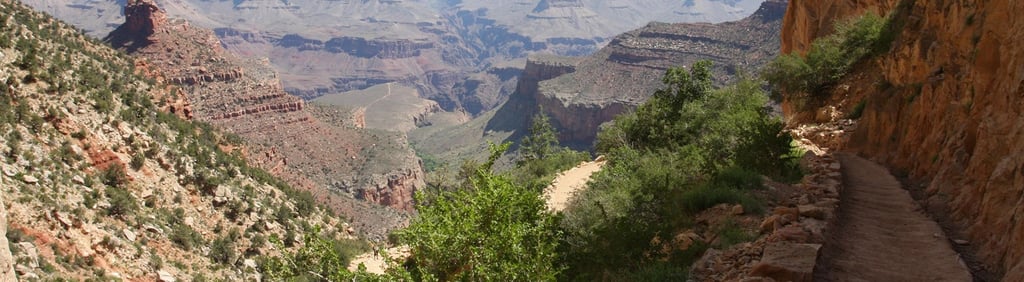
Layered canyon walls, desert scenery, and endless depth.
Descending into the Grand Canyon along the Bright Angel Trail is a journey through nearly two billion years of Earth's history. Unlike the more exposed South Kaibab Trail, Bright Angel follows a massive fault line, offering more shade, natural water sources, and iconic rest houses that make it the premier choice for both first-timers and seasoned canyon hikers.
However, as we move into 2026, there are some critical updates to trail access and construction that you must know before you lace up your boots.
The Bright Angel Trail is well-maintained, but it is physically punishing. The descent is easy on the lungs but hard on the knees, and the "uphill" return is twice as difficult. Having the right gear isn't just about comfort—it's about safety.
1. Essential Gear for the Canyon
The Bright Angel Trail is well-maintained, but it is physically punishing. The descent is easy on the lungs but hard on the knees, and the "uphill" return is twice as difficult. Having the right gear isn't just about comfort—it's about safety.
Recommended Gear:
✔️ Hydration backpack (3L minimum)
✔️ Electrolyte packets
✔️ Wide-brim sun hat
Tip: A hydration bladder backpack is easier than juggling bottles in extreme heat.
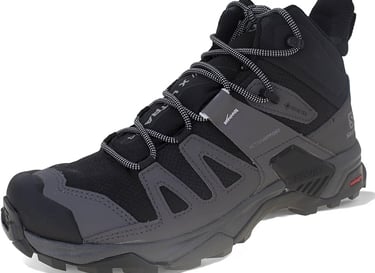
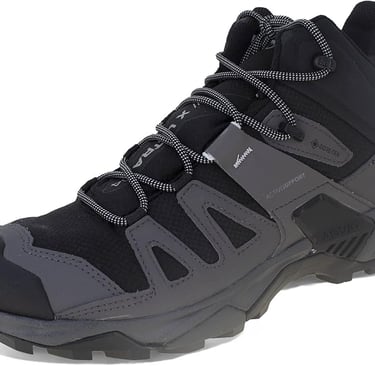
Salomon Mens Salomon Men's X Ultra 4 Mid Gore-tex Hiking Boots for Men
Salomon Womens Salomon Women's X Ultra 4 Mid Gore-tex Hiking Boots for Women
Laces: Standard. Water Resistance: GORE-TEX. Fit: Regular. Heel-to-Toe Drop: 11mm. Weight: 425g. Stability Rating: 5/5
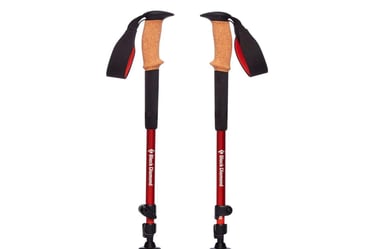
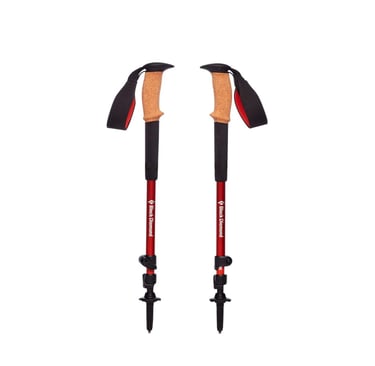
BLACK DIAMOND Trail Cork Trekking Poles (Pair)
Black Diamond Trail Cork trekking poles are built for 4-season versatility and expertly balances comfort, features and durability. The premium 100% natural cork grip is designed for ultimate comfort while the dual FlickLocks offer complete easy adjustability to suit the terrain. Our interchangeable carbide Tech Tips are easily swapped for our Rubber Tech Tips (sold separately) to accommodate changing trail surfaces and we’ve included both trekking and snow baskets for 4 season versatility.
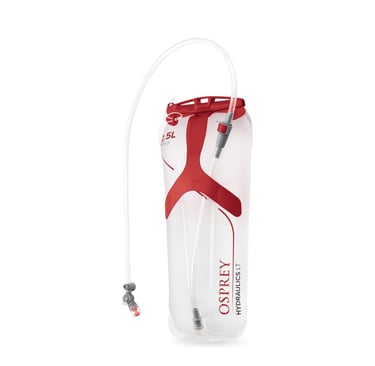
Osprey Hydraulics LT Backpack Water Reservoir with Bite Valve
Thumb-operated on/off lever is easier than ever to operate with one hand. Compact Slide-Seal opening aids one-handed filling, removes bulkiness, slides into packs easier and seals securely. Seamlessly integrates with new HydraClip reservoir hanger in packs for secure carry. Exceptionally secure hose magnet system. Dual baffles flatten the profile and improve control when filling, pouring and carrying the reservoir
2. The 2026 Trail & Water Update
The ongoing Transcanyon Waterline Project is modernizing the park’s aging infrastructure, which means certain sections of the trail and water spigots may be affected:
Water Availability: From May through October, drinking water is usually available at the 1.5-Mile and 3-Mile Resthouses. However, pipe breaks are common. Always carry a backup Sawyer Squeeze Water Filter to treat water from natural sources like Garden Creek.
Plateau Point Closure: As of early 2026, the trail from the Tonto junction to Plateau Point is scheduled to remain closed for construction through June 30, 2026.
Havasupai Gardens: This lush oasis (formerly Indian Garden) remains open year-round with drinking water, shade, and a ranger station. It is the ideal 9-mile round-trip turnaround point.
3. Strategic Tips for Success
The "Double Time" Rule: However long it takes you to hike down, expect it to take twice as long to hike back up. If you arrive at Havasupai Gardens and feel tired, do not continue to the river.
Beat the Heat: In summer, canyon temperatures can exceed 110°F. Start your hike at dawn (5:00 AM or 6:00 AM) to ensure you are climbing out during the cooler morning hours.
Mule Etiquette: Mules have the right of way. If you encounter a mule train, step off the trail on the uphill side, stand perfectly still, and follow the wrangler’s instructions.
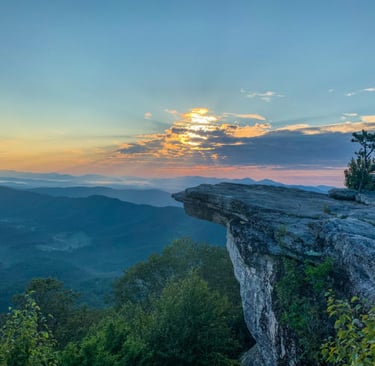
3. McAfee Knob – Appalachian Trail, Virginia
Difficulty: Moderate | Beginner–Intermediate
One of the most photographed hikes on the East Coast — and yes, it’s worth the hype.
What you’ll see:
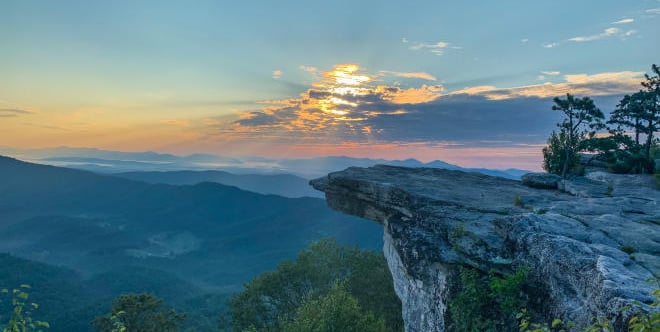
Rolling Blue Ridge Mountains and a cliffside viewpoint perfect for sunrise.
Often called the most photographed spot on the entire Appalachian Trail, McAfee Knob in Virginia offers a breathtaking 270-degree panoramic view of the Catawba Valley. Whether you're a seasoned thru-hiker or a weekend adventurer, standing on that iconic overhanging ledge is a true bucket-list experience.
The Trail at a Glance
Distance: Approximately 7.5 to 8 miles round trip.
Difficulty: Moderately strenuous with a steady 1,700-foot elevation gain.
Time: Budget 4 to 6 hours to enjoy the summit and return.
Route: Most hikers take the white-blazed Appalachian Trail up and the Fire Road back for an easier descent.
Essential Gear Checklist (with Top-Rated Amazon Picks)
To make your trek as smooth as possible, having the right support for your feet and enough storage for your "summit snacks" is key.
1. High-Traction Footwear
The climb is a slow and steady uphill walk, but the sandstone at the top can be slippery. You'll want boots with Vibram soles for the best grip.
Best Overall: The Merrell Moab 3 Mid Waterproof is a legendary "value" boot that offers excellent out-of-the-box comfort and protection.
Premium Comfort: For those who want maximum cushioning over rocky terrain, the HOKA Kaha 3 GTX provides a plush, stable ride.
2. Performance Hiking Socks
Don't underestimate the power of a good sock to prevent blisters on an 8-mile hike.
Top Choice: Darn Tough Hiker Micro Crew Cushion socks are the gold standard for AT hikers because of their lifetime warranty and moisture-wicking merino wool.
3. The Perfect Daypack
You'll need a pack that fits 3 liters of water, layers, and a headlamp.
Most Comfortable: The Gregory Zulu 24 features a suspended mesh back panel that keeps you cool during the steep climb.
The Classic: The Osprey Talon 22 is incredibly versatile and lightweight, perfect for a day trip to the Knob.
Important 2026 Parking & Shuttle Updates
Parking at the Route 311 trailhead is extremely limited and strictly enforced—parking on the shoulder will result in a tow.
McAfee Knob Shuttle: In 2026, the seasonal shuttle is the best way to guarantee a spot. It runs Friday–Sunday (and holiday Mondays) from March through November.
Reservations: Booking in advance at McAfeeShuttle.com is highly encouraged. Fares are typically $6 one way or $11 round trip.
Hours: From April to September, the shuttle typically operates from 7:00 AM to 7:00 PM.
Quick Tips for the Best Experience
The "Movie" Factor: Since being featured in A Walk in the Woods, the trail is busier than ever. Weekday hikes are much quieter if you want that solo photo on the ledge.
Safety First: Bring a dedicated headlamp. Cell phone lights are not bright enough if you get caught on the trail after sunset.
Leave No Trace: McAfee Knob is part of the "Triple Crown" of Virginia; please pack out all trash to keep this iconic spot beautiful.
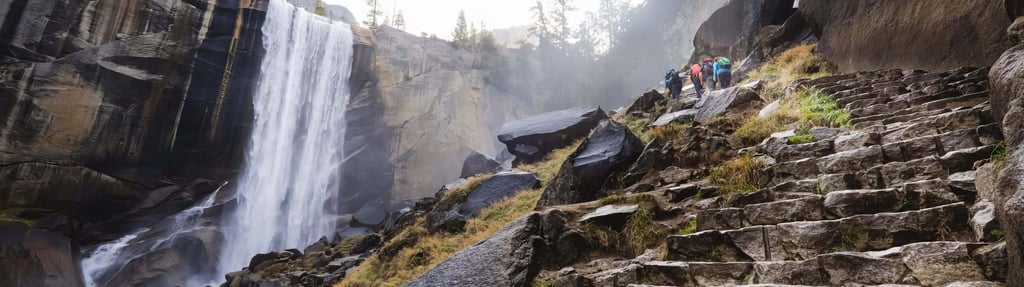
4. Mist Trail – Yosemite National Park, California
Difficulty: Moderate to strenuous
You’ll hike through waterfall mist — expect soaked clothes and epic views.
What you’ll see:
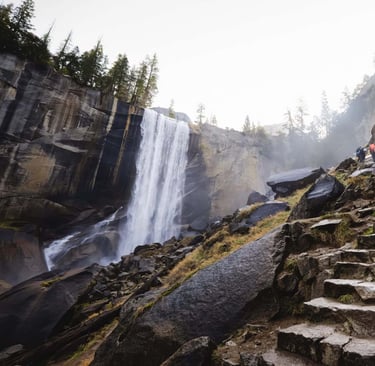
Vernal Fall, Nevada Fall, granite cliffs, rainbows in the spray.
The Mist Trail is arguably Yosemite’s most iconic hike, offering a dramatic, up-close encounter with two massive waterfalls: Vernal Fall and Nevada Fall. True to its name, this trail will get you wet, especially in the spring and early summer when the granite stairs are covered in a fine, refreshing spray from the Merced River.
Here is everything you need to know to tackle the Mist Trail in 2026, from the best gear to the essential logistics.
1. Essential Gear Checklist (with Top-Rated Amazon Picks)
To make your trek as smooth as possible, having the right support for your feet and enough storage for your "summit snacks" is key.
1. High-Traction Footwear
The climb is a slow and steady uphill walk, but the sandstone at the top can be slippery. You'll want boots with Vibram soles for the best grip.
Best Overall: The Merrell Moab 3 Mid Waterproof - is a legendary "value" boot that offers excellent out-of-the-box comfort and protection.
2. Water Protection
Even on a hot day, the "mist" can soak you to the bone.
Top Choice: Frogg Toggs Ultra-Lite2 Poncho - 100% waterproof, seam taped, lightweight and durable non woven Polypropylene material perfect for year after year use.
3. Foot Care
Wet feet lead to blisters. Merino wool stays warm and comfortable when damp.
Most Comfortable: Darn Tough Hiker Micro Crew Cushion socks are the gold standard for AT hikers because of their lifetime warranty and moisture-wicking merino wool.
The Classic: The Osprey Talon 22 is incredibly versatile and lightweight, perfect for a day trip.
4. Stability
Recommended: BLACK DIAMOND Trail Cork Trekking Poles (Pair) are built for 4-season versatility and expertly balances comfort, features and durability.
2. The Trail Breakdown
To Vernal Fall Footbridge (1.6 miles round trip): A moderate, paved uphill climb. This is the last spot for treated drinking water and real restrooms.
To Top of Vernal Fall (2.4 miles round trip): This is where the "Mist" begins. You'll climb the famous stone staircase directly next to the 317-foot waterfall.
To Top of Nevada Fall (5.4 miles round trip): If you have the energy, continue another 1.5 miles up to the 594-foot Nevada Fall for even more spectacular views of Liberty Cap and the back of Half Dome.
3. Important 2026 Trail Updates
Seasonal Closures: In 2026, the lower section of the Mist Trail (from the footbridge to the top of Vernal Fall) typically closes for maintenance Monday through Thursday from July through October. During these times, you must use the John Muir Trail (JMT) as a detour.
One-Way Traffic: To manage crowds, the park often implements a one-way traffic flow during peak hours (9:00 AM to 4:00 PM). You go up the Mist Trail and down the John Muir Trail. This is actually better for your knees!
Shuttle Access: Take the Yosemite Valley Shuttle to Stop #16 (Happy Isles) to reach the trailhead.
4. Safety & Etiquette
Stay Behind the Railings: The currents in the Merced River are deceptively strong. Never cross the safety railings at the top of the falls; accidents here are unfortunately common and often fatal.
Start Early: To avoid the "wall of people" on the stairs, try to be on the trail by 7:00 AM.
Pack a Headlamp: If you plan on hiking to Nevada Fall, bring a Black Diamond Spot 400 headlamp. The granite stairs are much harder to navigate in the dark if you lose track of time at the summit.
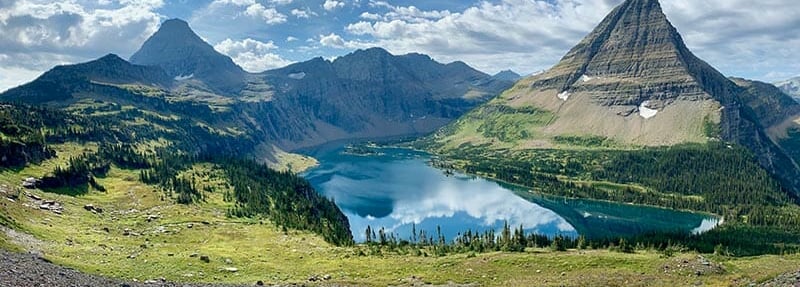
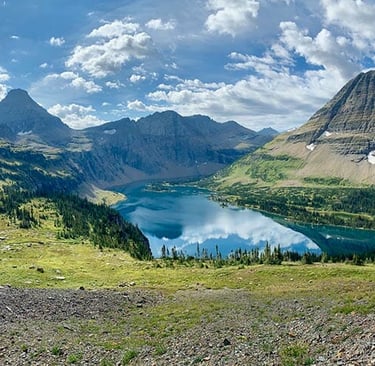
5. Hidden Lake Overlook – Glacier National Park, Montana
Difficulty: Easy to moderate | Beginner-friendly
Big alpine payoff without destroying your legs.
What you’ll see:
Mountain goats, wildflowers, and glacial-blue water.
Often called the "crown jewel" of the Logan Pass area, the Hidden Lake Overlook trail in Glacier National Park offers some of the most spectacular subalpine scenery in North America. Whether you're watching mountain goats graze in the "Hanging Gardens" or staring at the reflection of Bearhat Mountain, this hike is a quintessential Montana experience.
As we look toward the 2026 season, here is your complete guide to hiking Hidden Lake Overlook safely and comfortably.
1. Trail Logistics: The "Need to Know"
Distance: 2.7 miles round trip (out-and-back).
Difficulty: Moderate (due to elevation and 200+ boardwalk stairs).
Elevation Gain: ~540 feet.
Starting Point: Directly behind the Logan Pass Visitor Center.
Crucial 2026 Parking Tip: The Logan Pass parking lot is notoriously small and usually fills completely by 7:00 AM. To avoid the "parking lot circle," I highly recommend using the free Glacier National Park Shuttle, which typically begins its summer service on July 1.
2. Essential Gear for Glacier National Park
Because this trail begins at over 6,600 feet, the weather can change from a sunny 80°F to a snowy 40°F in minutes. Having the right gear is essential for safety, especially in grizzly country.
1. Safety
Glacier is prime grizzly habitat. Never hike without this.
Best Overall: SABRE Frontiersman Bear Spray - the only EPA-registered bear spray approved for both bears and mountain lions; made with 2.0% major capsaicinoids (the strongest formula allowed by law), and backed by our exclusive in-house HPLC lab to guarantee max strength in every canister
2. High-Traction Footwear
Boardwalks can be slick with morning frost or lingering snow.
Best Overall: The Merrell Moab 3 Mid Waterproof - is a legendary "value" boot that offers excellent out-of-the-box comfort and protection.
3. Hydration
High altitude causes rapid dehydration.
Best Recommended: Osprey Hydraulics LT Backpack Water Reservoir with Bite Valve
Thumb-operated on/off lever is easier than ever to operate with one hand. Compact Slide-Seal opening aids one-handed filling, removes bulkiness, slides into packs easier and seals securely.
4. Stability
Recommended: BLACK DIAMOND Trail Cork Trekking Poles (Pair) are built for 4-season versatility and expertly balances comfort, features and durability.
3. Trail Highlights: What to Expect
The Boardwalk Stairs: The first half-mile is a series of wooden stairs and boardwalks designed to protect the fragile alpine wildflowers. It’s a workout for the lungs, but the views of the Garden Wall are incredible.
The Hanging Gardens: After the stairs, the trail levels out into a lush meadow. Keep your eyes peeled for mountain goats and bighorn sheep, which are frequently seen here.
The Overlook: The trail ends at a wooden platform overlooking the sapphire-blue Hidden Lake, framed perfectly by the massive Bearhat Mountain.
4. Pro-Tips for a Better Hike
Check for Bear Closures: This trail is often closed or restricted to "Overlook Only" due to grizzly activity near the lake. Check the NPS Trail Status before you leave.
Snow Warning: Even in mid-July, the boardwalk can be covered in snow. If you're hiking early in the season, consider bringing microspikes for better grip.
Start Early or Go Late: For the best light and fewer crowds, aim to be on the trail by sunrise or arrive after 5:00 PM for a spectacular sunset hike.
Receive email notifications of new posts, trail tips and updates straight to your inbox.
Contact us at:
Follow us at:
contactus@exploretrailways.com
© 2025. All rights reserved.